
February often celebrates love in its loudest forms, yet many people move through this month feeling emotionally tired, self- critical, or quietly disconnected from themselves. In a world that constantly asks us to do more, be more, and cope better, it is easy to forget that care does not always start with achievement. Sometimes, it starts with kindness toward yourself. This edition of Wellness Pulse invites you to pause, soften the inner dialogue, and reconnect with a gentler way of relating to yourself.
Self-compassion and self-worth are not indulgences. They are emotional skills that support mental well-being, resilience, and healthier relationships with others. As you move into the year ahead, we encourage you to pause, reflect, and choose intentions that support balance, growth, and care for yourself. Small, consistent choices often create the most meaningful change.
Understanding Self-Compassion
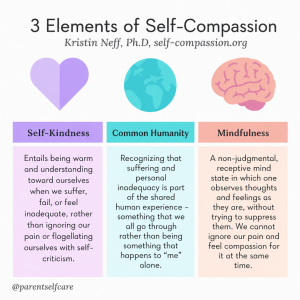
Self-compassion is the practice of responding to yourself with care rather than criticism, especially during moments of difficulty. It does not mean avoiding responsibility or lowering standards. It means recognising that struggle is part of being human and that harsh self-judgment often deepens pain rather than resolving it. Many people are kinder to friends than they are to themselves. Self-compassion closes that gap. It allows you to acknowledge disappointment without shame, rest without guilt, and grow without fear. When practiced consistently, it reduces emotional exhaustion and creates space for healing and self-acceptance.
Why Self-Compassion Matters for Everyday Well-being
Self-compassion plays a powerful role in emotional health and overall well-being:
- It reduces chronic self-criticism, which is strongly linked to anxiety and low mood
- It supports emotional regulation, helping you respond rather than react during stress
- It encourages healthier coping during setbacks, failure, or change
- It strengthens resilience by allowing you to recover instead of spiral
- It promotes a more stable sense of confidence that is not dependent on comparison
When you meet yourself with understanding instead of judgment, daily challenges feel more manageable and less personal.
Self-Worth Beyond Achievement
Self-worth is often misunderstood as something earned through success, productivity, or external approval. In reality, self-worth is the belief that you are deserving of care, rest, and respect simply because you exist. When self-worth is tied only to outcomes, it becomes fragile. A bad day, mistake, or unmet expectation can feel like a personal failure. Reconnecting with inherent self-worth allows you to separate who you are from what you do. This shift makes room for growth without emotional punishment and progress without burnout.
Practising Self-Compassion in Everyday Life
Self-compassion does not require dramatic change. It grows through small, intentional moments:
- Notice your inner language and gently soften it when it becomes harsh
- Allow yourself to pause when overwhelmed instead of pushing through automatically
- Respond to mistakes with curiosity rather than blame
- Give yourself permission to rest without needing justification
- Acknowledge emotions without rushing to fix or dismiss them
These small acts create emotional safety and strengthen self-trust over time.
A Gentle Reflection
Self-compassion and self-worth are not destinations to reach but relationships to nurture. Each moment of kindness toward yourself builds emotional steadiness and quiet strength. As this month invites reflection on love, consider extending some of that care inward. When you treat yourself with understanding, you create space for healing, balance, and a deeper sense of peace that carries far beyond February.
Self-Worth Beyond Achievement
Self-worth is often misunderstood as something earned through success, productivity, or external approval. In reality, self-worth is the belief that you are deserving of care, rest, and respect simply because you exist. When self-worth is tied only to outcomes, it becomes fragile. A bad day, mistake, or unmet expectation can feel like a personal failure. Reconnecting with inherent self-worth allows you to separate who you are from what you do. This shift makes room for growth without emotional punishment and progress without burnout.
Practising Self-Compassion in Everyday Life
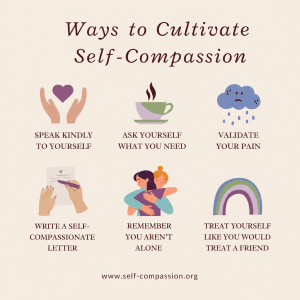
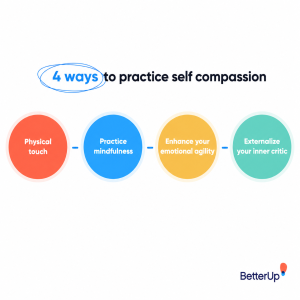
Self-compassion does not require dramatic change. It grows through small, intentional moments:
- Notice your inner language and gently soften it when it becomes harsh
- Allow yourself to pause when overwhelmed instead of pushing through automatically
- Respond to mistakes with curiosity rather than blame
- Give yourself permission to rest without needing justification
- Acknowledge emotions without rushing to fix or dismiss them
These small acts create emotional safety and strengthen self-trust over time.
A Gentle Reflection
Self-compassion and self-worth are not destinations to reach but relationships to nurture. Each moment of kindness toward yourself builds emotional steadiness and quiet strength. As this month invites reflection on love, consider extending some of that care inward. When you treat yourself with understanding, you create space for healing, balance, and a deeper sense of peace that carries far beyond February.