
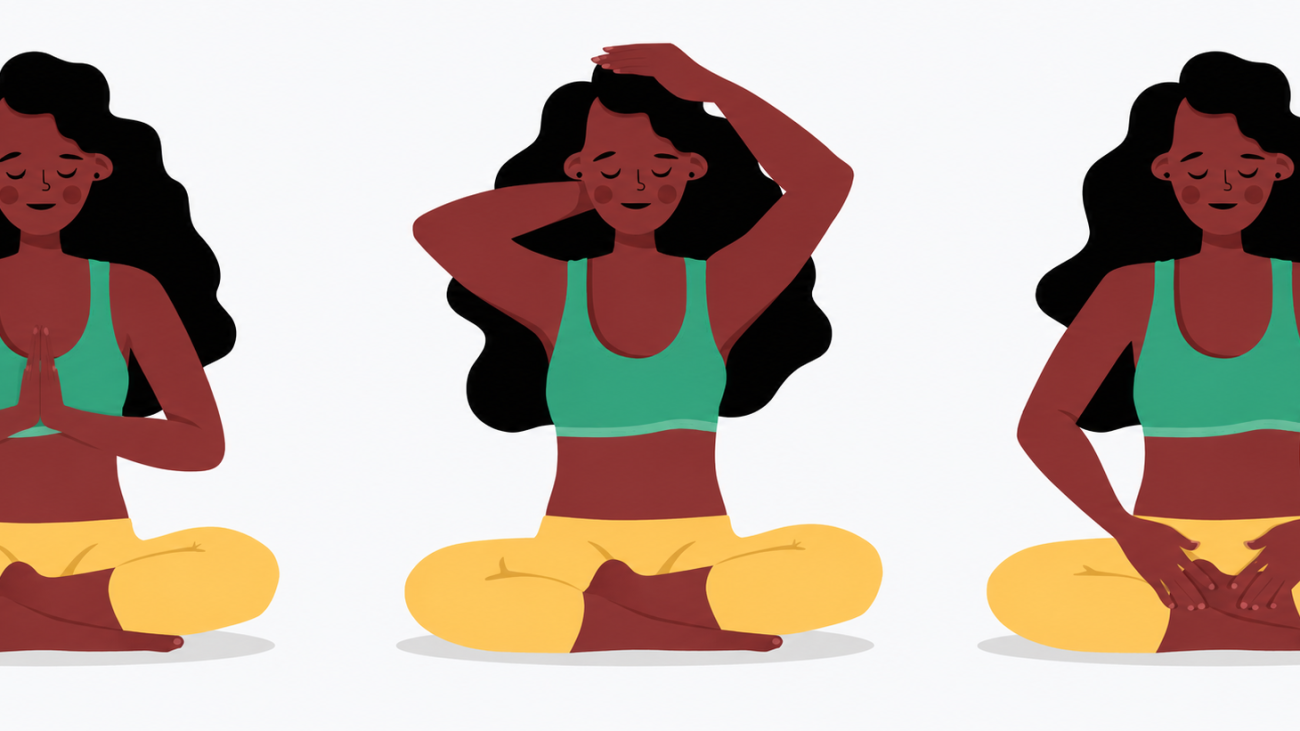
Many of us have learned to keep working, even when we are tired, overwhelmed, or mentally drained.
We push through meetings, complete tasks, and meet expectations, often without checking in with how
we are feeling. However, the body is always communicating. Fatigue, tension, irritability, and mental fog are not interruptions to ignore. They are signals that our energy is being drained, our focus is declining, or our stress levels are rising. These signs may seem small at first, but they are often the earliest indicators that something needs attention.
You may notice:
- Constant tiredness, even after rest
You wake up feeling unrefreshed or find your energy dropping quickly during the day, even
without intense physical effort. - Difficulty concentrating or staying engaged
Tasks that normally feel manageable may require more effort. You may find your mind drifting or that you need to reread information. - Irritability or reduced patience
You may feel more easily frustrated, less tolerant, or emotionally reactive in situations that would normally feel manageable.

- Mental fog or slower thinking
Processing information, making decisions, or responding in conversations may feel slower or less clear. - Physical tension or discomfort
Headaches, muscle tightness, or a general sense of heaviness in the body can signal stress and fatigue.
These signs are not weaknesses. They are your body’s way of asking for attention and recovery.
Why Ignoring These Signals Can Affect Your Wellbeing

It is easy to dismiss early signs, especially when there is work to be done. However, ignoring them does not make them go away. It often allows them to build. When we continue to push through:
- Fatigue deepens and becomes harder to recover from
- Stress levels increase, affecting both mood and health
- Focus and accuracy begin to decline
- Emotional exhaustion develops
- Burnout becomes more likely
Pushing through may feel productive in the moment, but over time, it reduces efficiency, clarity, and overall wellbeing. Listening early helps you respond before the impact becomes overwhelming.
Simple Ways to Respond to Your Body During the Workday

Responding to your body does not require major changes. Small, intentional actions can help restore balance and maintain energy.
Pause, even briefly: Taking a few minutes to step away, breathe, or sit quietly can help reset your mind and reduce mental overload.
Break tasks into manageable segments: Working in shorter intervals allows your brain to recover between periods of focus.
Move your body: Stretching, standing, or taking a short walk helps release physical tension and improve circulation.
Reduce stimulation when possible: Stepping away from noise, screens, or constant activity can calm the nervous system.
Acknowledge your limits without guilt: Recognizing when you need rest is not a sign of weakness. It is part of maintaining your wellbeing.
These small actions help you sustain energy rather than constantly recover from exhaustion.
Closing Reflection
Your body speaks before it shuts down.
The earlier you listen, the easier it is to respond.
Wellbeing is not about avoiding work. It is about working in a way that allows you to remain present, focused, and supported throughout the day.
Sometimes, the most important thing you can do is pause and pay attention.