
Mental health has increasingly become one of the most important public health, workplace, and societal issues of the twenty-first century. Yet despite significant progress in mental health awareness globally, men’s mental health remains one of the least discussed and most misunderstood aspects of psychological wellbeing. Every June, Men’s Mental Health Awareness Month provides an opportunity to raise awareness of a subject that affects millions of men worldwide but often remains hidden beneath expectations of strength, resilience, and self-reliance.
Across cultures, men are frequently socialised to embody characteristics such as toughness, independence, emotional control, and problem-solving. While these qualities can be beneficial, they can also create barriers to emotional expression and help-seeking behaviour. Many men learn from an early age that vulnerability is weakness, that emotional distress should be endured rather than discussed, and that personal struggles should be handled privately. As a result, many suffer in silence, often reaching crisis points before seeking support.

The consequences of this silence are significant. According to the World Health Organisation (WHO), suicide remains one of the leading causes of death globally, with men accounting for a disproportionately high percentage of suicide deaths in many countries. Research consistently demonstrates that men are less likely than women to access mental health services, despite experiencing depression, anxiety, trauma, substance use disorders, workplace stress, and relationship difficulties. This paradox of high need but low help-seeking continues to present a major challenge for mental health professionals, employers, policymakers, and communities.
Mental health should not be viewed as separate from physical health. Rather, it is an integral component of overall wellbeing. Psychological wellbeing influences how individuals think, feel, behave, make decisions, build relationships, cope with adversity, and contribute to society. When mental health suffers, every aspect of life can be affected, including physical health, family relationships, workplace performance, financial stability, and quality of life.
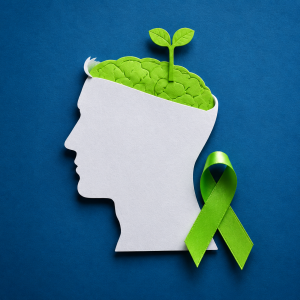
One of the most important realities about men’s mental health is that emotional distress often presents differently in men than in women. While depression is commonly associated with sadness, hopelessness, and withdrawal, men may express depression through irritability, anger, aggression, excessive work, risk-taking behaviour, emotional detachment, or substance use. Similarly, anxiety may manifest through restlessness, frustration, perfectionism, overworking, or chronic worry that remains hidden beneath outward functionality.
Research published by the American Psychological Association has highlighted how traditional masculine norms can discourage men from acknowledging emotional struggles. Men who strongly identify with restrictive beliefs about masculinity are often less likely to seek psychological support and more likely to engage in unhealthy coping mechanisms. This does not mean masculinity itself is problematic; rather, it suggests that rigid expectations regarding how men should think, feel, and behave can negatively influence wellbeing when emotional expression is discouraged.
The workplace has become one of the most significant environments in which men’s mental health challenges emerge. Modern organisations increasingly demand high levels of productivity, adaptability, innovation, and performance. Employees are expected to meet targets, manage competing priorities, navigate economic uncertainty, and respond to rapid technological change. For many men, these demands are compounded by societal expectations to provide financially for families, achieve professional success, and maintain stability regardless of personal circumstances.
The World Health Organisation estimates that depression and anxiety cost the global economy approximately one trillion US dollars annually in lost productivity. Employees experiencing poor mental health are more likely to experience absenteeism, presenteeism, reduced concentration, workplace conflict, burnout, and diminished engagement. In sectors such as banking, healthcare, education, security, and customer service, prolonged exposure to stress without adequate support can significantly affect both individual wellbeing and organisational performance.
Burnout has emerged as one of the most common challenges affecting working men. Characterised by emotional exhaustion, cynicism, reduced effectiveness, and chronic fatigue, burnout often develops gradually. Individuals may initially interpret symptoms as normal occupational stress until the condition begins affecting physical health, relationships, and performance. The World Health Organisation officially recognises burnout as an occupational phenomenon associated with chronic workplace stress that has not been successfully managed.
Loneliness represents another growing concern. Despite being surrounded by colleagues, family members, and social networks, many men report experiencing profound emotional isolation. Studies conducted in Europe, North America, and increasingly within African contexts indicate that men often have fewer emotionally supportive relationships compared to women. While friendships may exist, conversations often focus on activities rather than emotional experiences. This can leave men feeling unsupported during periods of stress, grief, uncertainty, or personal crisis.
The relationship between men’s mental health and physical health is equally important. Chronic psychological stress has been linked to increased risk of cardiovascular disease, hypertension, sleep disturbances, weakened immune functioning, gastrointestinal difficulties, and various chronic health conditions. The mind and body do not operate independently; emotional distress often manifests physically, while physical illness can significantly affect psychological wellbeing.

One of the greatest misconceptions surrounding mental health is the belief that seeking help is a sign of weakness. Modern psychological research consistently demonstrates the opposite. Self-awareness, emotional openness, and help-seeking behaviour are indicators of psychological strength rather than vulnerability. The ability to acknowledge distress, seek support, and engage in personal growth requires courage, self-reflection, and resilience.
Redefining strength is therefore central to improving men’s mental health outcomes. Strength should not be measured by the ability to suppress emotions or endure suffering in silence. True strength lies in the ability to confront challenges honestly, acknowledge personal limitations, seek support when necessary, and remain committed to growth despite discomfort. Emotional intelligence, self-awareness, and psychological flexibility are increasingly recognised as critical competencies for healthy functioning in both personal and professional contexts.
Supporting men’s mental health requires action at multiple levels. Individuals must be encouraged to develop greater emotional awareness, strengthen social connections, engage in healthy coping strategies, and seek professional support when needed. Families must create environments where emotional expression is accepted rather than discouraged. Communities must challenge harmful stereotypes that equate vulnerability with weakness. Workplaces must implement psychologically safe cultures, employee assistance programs, mental health training, and supportive leadership practices that normalise conversations about wellbeing.
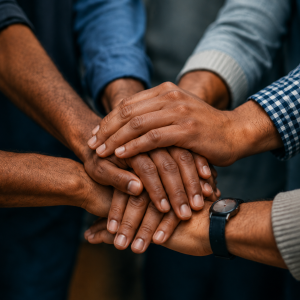
Organisations have a particularly important role to play. Progressive employers increasingly recognise that employee wellbeing is not merely a welfare issue but a strategic business priority. Workplace mental health initiatives have been shown to improve employee engagement, productivity, retention, innovation, and organisational culture. Employee Assistance Programs, resilience training, leadership development, psychological safety initiatives, and mental health literacy campaigns can contribute significantly to creating healthier work environments.
For men who may currently be struggling, the message is simple yet profound: you are not alone. Experiencing stress, anxiety, grief, uncertainty, depression, or emotional pain does not make you weak. It makes you human. Seeking help does not diminish your strength; it demonstrates it. There is no shame in speaking openly about mental health, just as there is no shame in seeking treatment for a physical injury or illness.
As we observe Men’s Mental Health Awareness Month, we must move beyond awareness alone. Awareness must lead to conversation. Conversation must lead to understanding. Understanding must lead to action. By creating environments where men feel safe to speak, seek support, and prioritise wellbeing, we not only improve individual lives but also strengthen families, workplaces, and communities.
Mental health is not simply the absence of illness; it is the presence of wellbeing, resilience, connection, meaning, and purpose. Every man deserves the opportunity not merely to survive life’s challenges, but to thrive despite them.
The future of men’s mental health depends on our collective willingness to replace silence with conversation, stigma with compassion, and outdated definitions of strength with healthier, more human alternatives. The time to have these conversations is now, and the responsibility belongs to all of us.