As a new year begins, there is often an unspoken pressure to set
ambitious resolutions and expect immediate change. While goals
have their place, growth is rarely sustained through rigidity or self-
criticism. This edition invites you to take a gentler and more
intentional approach to the year ahead.
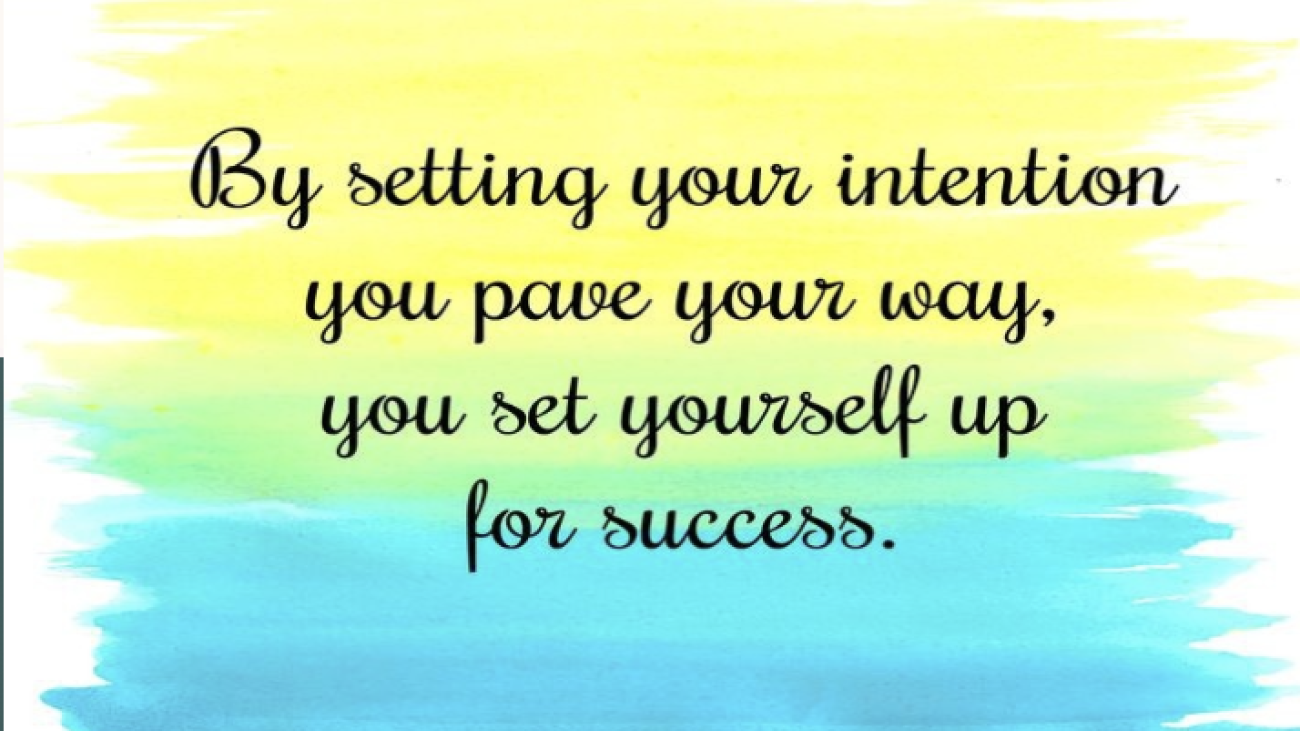
Setting intentions, rather than resolutions, allows space for
reflection, flexibility, and self-awareness. Intentions focus less on
perfection and more on alignment with what truly matters to you,
your wellbeing, your values, and the way you want to show up in
your daily life. They offer direction without pressure and progress
without guilt.
As you move into the year ahead, we encourage you to pause,
reflect, and choose intentions that support balance, growth, and
care for yourself. Small, consistent choices often create the most
meaningful change.
Practical Steps to Create Meaningful Intentions for a More Balanced Year
A new year often inspires a desire for change, but many people find that traditional
resolutions create pressure rather than motivation. This is why more individuals
and workplaces are shifting toward intentions, a more mindful, realistic, and
compassionate way to shape the months ahead.
Intentions provide a more grounded and compassionate approach to growth than
traditional resolutions. Instead of focusing on strict goals or outcomes, intentions
help individuals align their daily actions with their core values. This creates room
for progress without pressure and promotes growth that feels natural and
sustainable.
As 2026 begins, setting meaningful intentions can help you cultivate balance,
clarity, and a healthier relationship with yourself and your work.
1. Reflect on What Matters Most: Take a moment to identify the values you want to prioritise
this year. These might include balance, rest, confidence, growth, connection, or well-being.
Ask yourself:
- “What do I want to feel more of in 2026?”
- “What drained or overwhelmed me last year, and what do I want to change?”
- “Which areas of my life need more attention?”
This reflection helps you set intentions that genuinely support your well-being rather than
adding more pressure.
2. Choose One to Three Core Intentions: Keep your intentions simple and focused. A few
meaningful intentions are more impactful than a long list you cannot sustain. Examples
include:
- “I intend to be more present.”
- “I intend to create more balance in my workday.”
- “I intend to speak to myself with kindness.”
These themes become your guiding anchors throughout the year.
3. Connect Your Intentions to Realistic Behaviours: Intentions are strengthened
when linked to small, actionable habits. If your intention is balance, you might:
- Schedule short breaks throughout the workday.
- Set a digital boundary after work hours.
- Make space for rest on weekends without guilt.
If your intention is calm, you might:
- Begin your morning with two minutes of mindful breathing.
- Declutter your workspace weekly.
- Practice pausing before reacting in stressful moments.
These actions give your intention a practical pathway.
4. Write Your Intentions Down: Writing your intentions makes them more visible
and memorable. Keep them:
- On your desk
- In your journal
- As a reminder on your phone
- On a vision board
Revisiting them regularly helps you stay aligned without pressure.
5. Review and Adjust as You Grow: Intentions are meant to evolve with you.
Check in monthly or quarterly to notice:
- ·What is working well?
- What habits feel natural?
- What needs adjusting?
Give yourself permission to refine your intentions as your needs shift. This
flexibility prevents burnout and encourages sustainable progress.
6. Celebrate Small Progress: Every step forward, improved boundaries, calmer
mornings, healthier relationships, is worth recognizing. Celebrating small wins
reinforces motivation and strengthens the behaviours connected to your intention.