
Every day, we are surrounded by messages telling us who we should be. Society celebrates certain achievements, workplaces reward particular behaviours, and social media often presents carefully curated versions of success. Without realising it, we can begin measuring ourselves against standards that may not reflect our own values, aspirations, or definition of success. When we rely solely on these external influences, it becomes easy to lose sight of who we truly are.
This is where self-awareness becomes one of life’s most valuable skills. Self-awareness is the ability to recognise and understand our thoughts, emotions, behaviours, strengths, limitations, motivations, and values. It is the practice of looking inward with curiosity rather than judgement. Instead of simply reacting to life’s demands, self-awareness allows us to pause, reflect, and make choices that align with who we are and who we aspire to become.
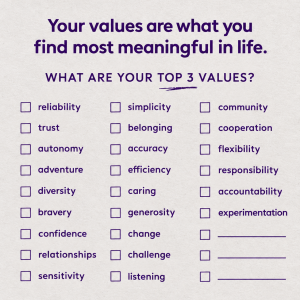
One of the clearest expressions of self-awareness is understanding your values. Think of your values as your inner compass. Just as a compass helps a traveller stay on course, your values guide your decisions, shape your priorities, and influence how you respond to opportunities and challenges. They help you determine not only what you want to achieve, but also the kind of person you want to be while achieving it.
Being self-aware means understanding:
- What truly matters to you.
- What gives you energy and purpose.
- What situations leave you feeling drained or overwhelmed.
- How your emotions influence your decisions.
- The strengths you naturally bring to your work and relationships.
- The areas where growth is both possible and necessary.
- The values that shape your choices and define your sense of purpose.
When our daily actions align with our values, we are more likely to experience fulfilment, motivation, and a genuine sense of purpose. On the other hand, when we consistently act in ways that conflict with what we believe is important, we may feel frustrated, disconnected, or unfulfilled, even when everything appears to be going well on the surface. Success without


Self-awareness encourages an honest and balanced understanding of ourselves. It allows us to celebrate our strengths with confidence, acknowledge our limitations with humility, and view personal growth as a lifelong journey instead of a destination.
When we understand ourselves better, we become less dependent on external validation. We make decisions that reflect our values instead of simply following expectations. We communicate more effectively because we understand our emotions and needs. We become better colleagues, leaders, friends, and family members because we respond thoughtfully rather than impulsively.
Developing self-awareness means pausing long enough to consider whether your actions reflect the person you want to become.
Here are a few simple ways to become more intentional.
Pause before reacting. When faced with a difficult situation, take a moment to breathe and consider your response instead of reacting immediately.
Check in with yourself daily. Ask yourself, How am I feeling today? What do I need? What is one thing I can do to support my wellbeing?
Reflect on your day. Spend five minutes each evening thinking about what went well, what challenged you, and what you learned about yourself.
Choose your priorities. Rather than trying to do everything, focus on what matters most and let your values guide your decisions.
Seek feedback with curiosity. Invite trusted colleagues, friends, or mentors to share observations about your strengths and areas for growth. Listen with openness rather than defensiveness.
As you reflect this month, consider these questions:
- What matters most to me?
- What kind of person do I want to become?
- Which moments make me feel most fulfilled?
- Are my daily choices aligned with what I truly value?
- Am I living according to my own values, or someone else’s expectations?
There are no right or wrong answers. The goal is not to compare yourself with others but to better understand what guides your own life. The most important relationship you will ever have is the one you have with yourself. The better you understand who you are, the more confidently and intentionally you can navigate both your personal and professional life; before the world tells you who you should be.